Roundtable Provides A Preview of Oregon’s 2026 Legislative Short Session
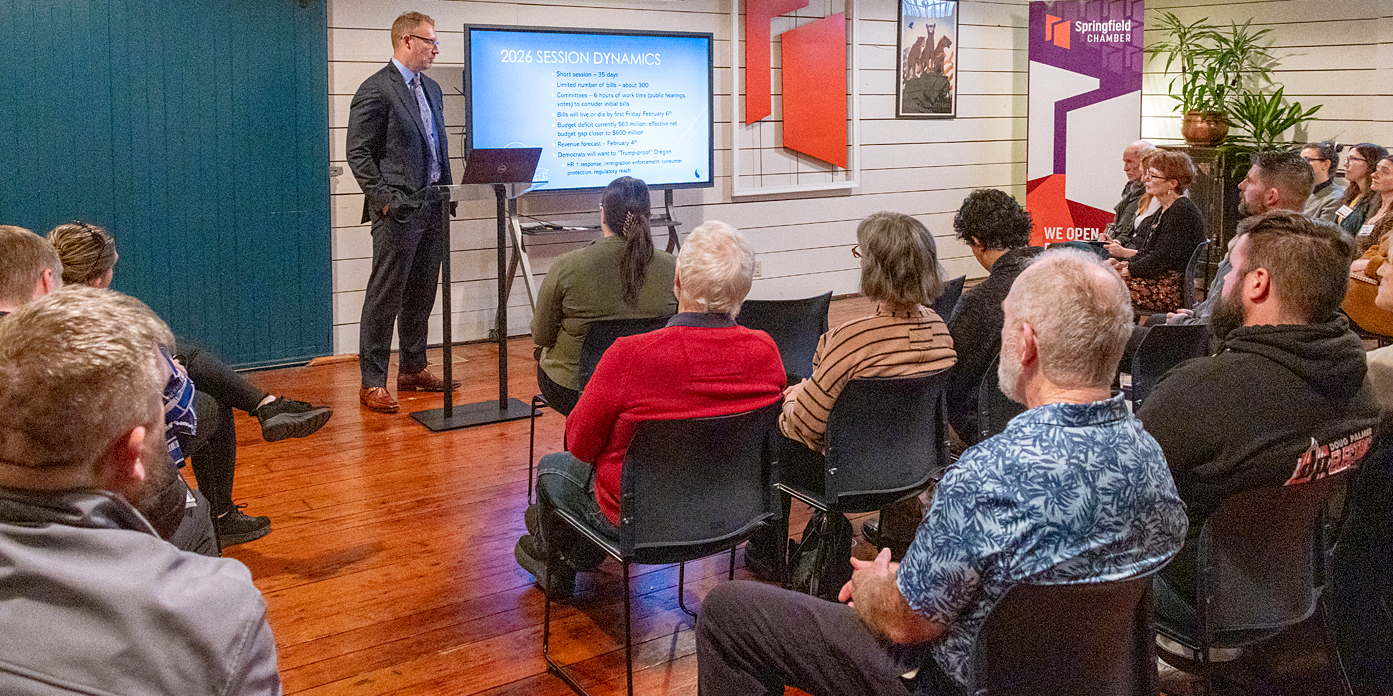
The Springfield Area Chamber of Commerce kicked off its its 2026 Roundtable series with a timely look at what’s coming next in Salem, and what it could mean for local businesses. With the Oregon Legislature’s short session (35 days) beginning February 2, the Chamber welcomed JL Wilson, Executive Director of the Oregon State Chamber of Commerce (OSCC), for an overview of the session’s dynamics, budget realities, and business policy issues most likely to take center stage.
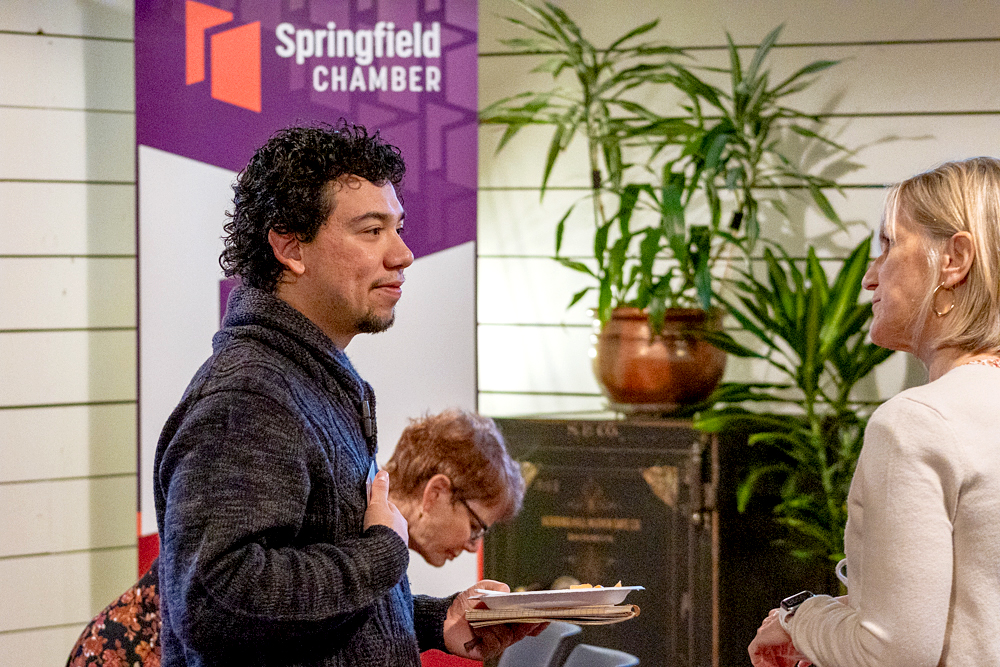
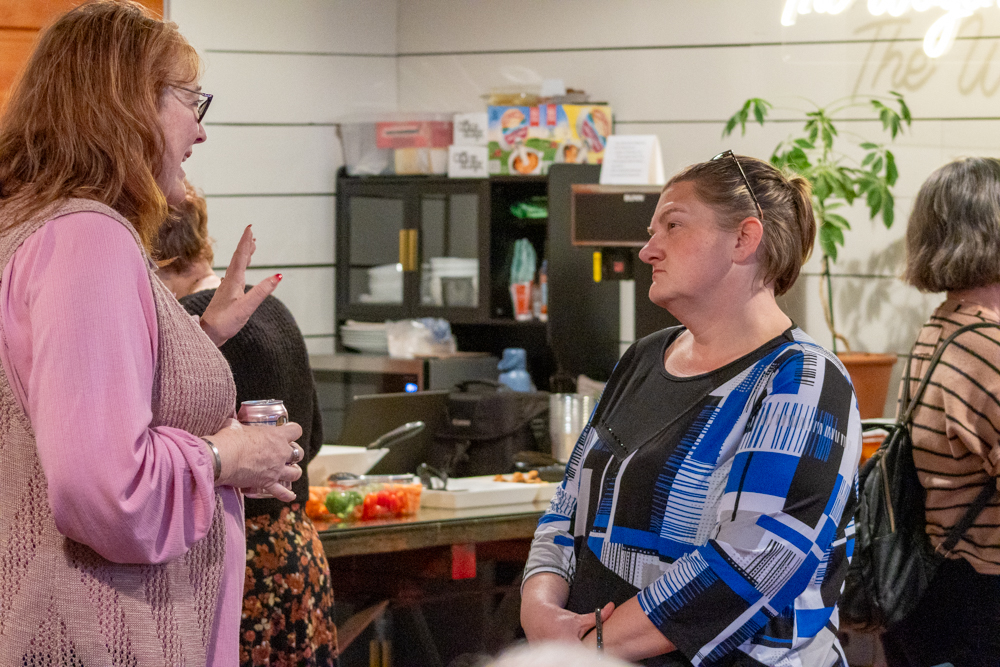
Travel Lane County served as presenting sponsor, and the Chamber introduced a new feature to their Roundtable program in 2026: a half-hour of networking and refreshments beforehand. This was a small change that made a big difference in the room.
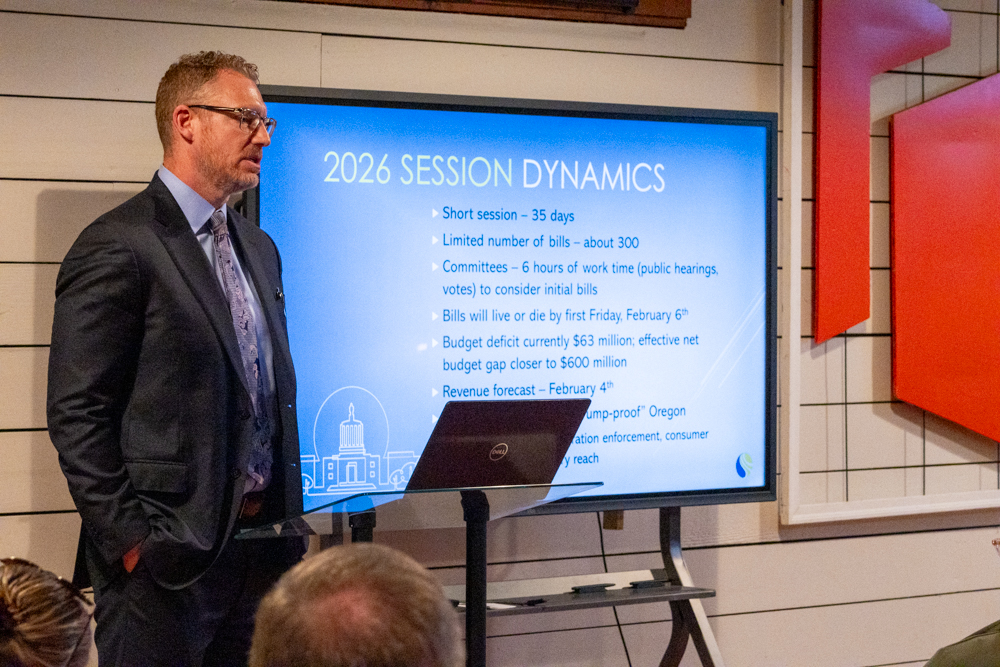
JL Wilson brought both experience and candor to his presentation. As a long-time public affairs leader and lobbyist, JL knows the pace of Salem, and he didn’t sugarcoat what’s ahead: the short session moves fast, decisions happen quickly, and the business community will need to stay engaged.
“I will not promise any discernment for the next four weeks because it’s all going to be an emergency.”
– JL Wilson, Executive Director, Oregon State Chamber of Commerce
Not “short” on impact
JL described the 2026 short session as a high-speed sprint. With a limited number of bills and tight deadlines, the Legislature has little room for long debates or slow deliberation. In this kind of session, issues either gain traction immediately or they disappear. The takeaway for businesses: if something matters, you may need to weigh in early.
A central theme of JL’s preview was the budget environment shaping everything else. Even when the headlines make the deficit seem modest, JL explained that the underlying gap is larger more complicated once you account for the full picture. He also noted that state agencies have already been asked to prepare potential reduction scenarios, and that the February revenue forecast will play a major role in what lawmakers feel they can, or must, do.
That is, budget pressure is not just a finance conversation but the engine behind many policy proposals.
“Center of gravity”: tax and revenue decisions
JL flagged tax and revenue as the most consequential arena for employers this session, especially proposals that may be framed as technical changes but can have real-world ripple effects for investment and growth.
One issue he expects to become a major focal point is the state potentially disconnecting from federal bonus depreciation, a change that would make it harder for businesses to claim accelerated depreciation on major investments. JL’s perspective was straightforward on this: Oregon needs more capital investment, not less. If the goal is economic momentum, policies that discourage investment can be counterproductive.
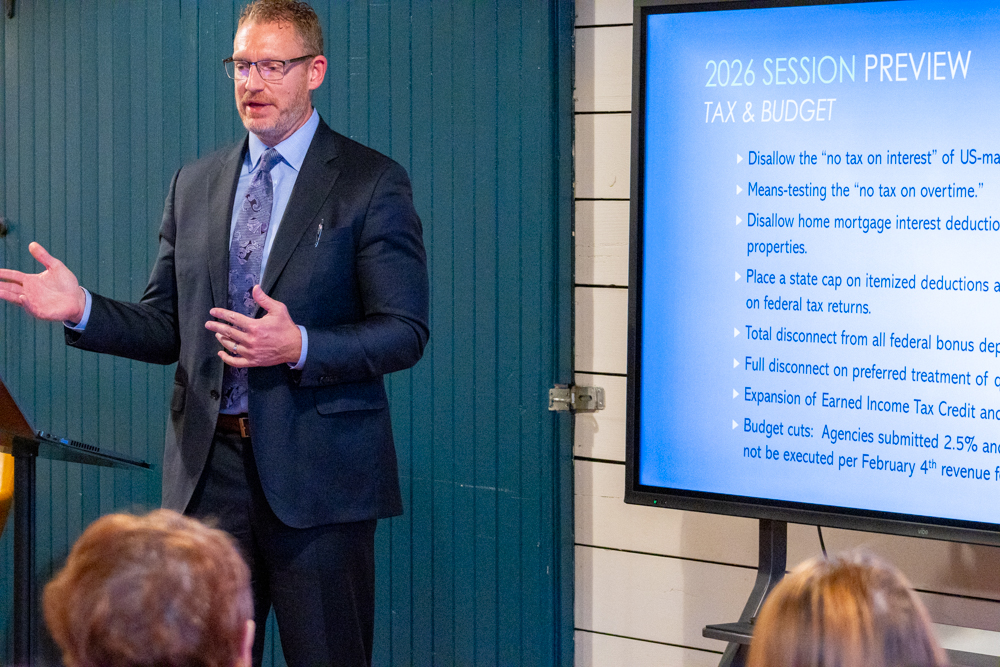
He also mentioned other ideas circulating in the broader tax conversation. These ranged from adjustments affecting individual taxpayers to credits meant to show an intent to support jobs and economic activity. The details will shift quickly, but JL’s broader message was that taxation and revenue is the space to watch.
The full policy lineup
Beyond budget and tax policy, JL outlined several business policy issues he believes have a real chance of moving during the short session. Among them:
Tourism and lodging tax questions (TLT): including proposals to reallocate how local lodging tax revenue is split between tourism promotion and local government, plus discussion of a statewide tax increase, initially proposed at 1.25%.
Insurance and consumer legal standards: JL described renewed attention on proposals that could expand liability and legal exposure in the insurance space.
Workforce standards boards (long-term care): a developing labor-policy model that could have implications beyond any single sector.
Paid time off (PTO) cash redemption: a workplace policy proposal that could affect how employers manage and structure leave benefits.
State contracting requirements tied to immigration enforcement: a policy area that could create new compliance and operational questions for employers that work with the state.
In a short session, JL noted, many issues never get off the ground. The ones that do are typically those with active advocates, organized opposition, and momentum from the start.
Recreational liability waivers
If there was one “opportunity issue” JL sounded most hopeful about, it was recreational liability waivers. He explained that Oregon’s current legal framework is an outlier in the region, creating real challenges for recreation-based businesses and organizations that operate with inherent risk – everything from ski areas and gyms to guides and outdoor activity providers. He described this as one of the more achievable priorities of the session, although, like most issues in Salem, it comes with organized opposition and will require early clarity to move forward.
“The last thing that I will mention is that I would keep tuned in to Vonnie and the Chamber with respect to the alerts that go out, all that we talk about, and your chance to engage.”
– JL Wilson, Executive Director, Oregon State Chamber of Commerce
The role of the Chamber and its members
JL encouraged attendees to stay tuned to OSCC updates and action alerts throughout the session, and to use the Chamber’s legislative communications to follow committee activity and testimony opportunities. The Springfield Chamber echoes that sentiment: Roundtables are only one way the Chamber brings policy closer to the day-to-day reality of local business. As a member business, you can keep up with the 2026 legislative session, as well as all the advocacy issues affecting business in the region, on the Business Advocacy page of the Chamber’s website.
Audience Q&A
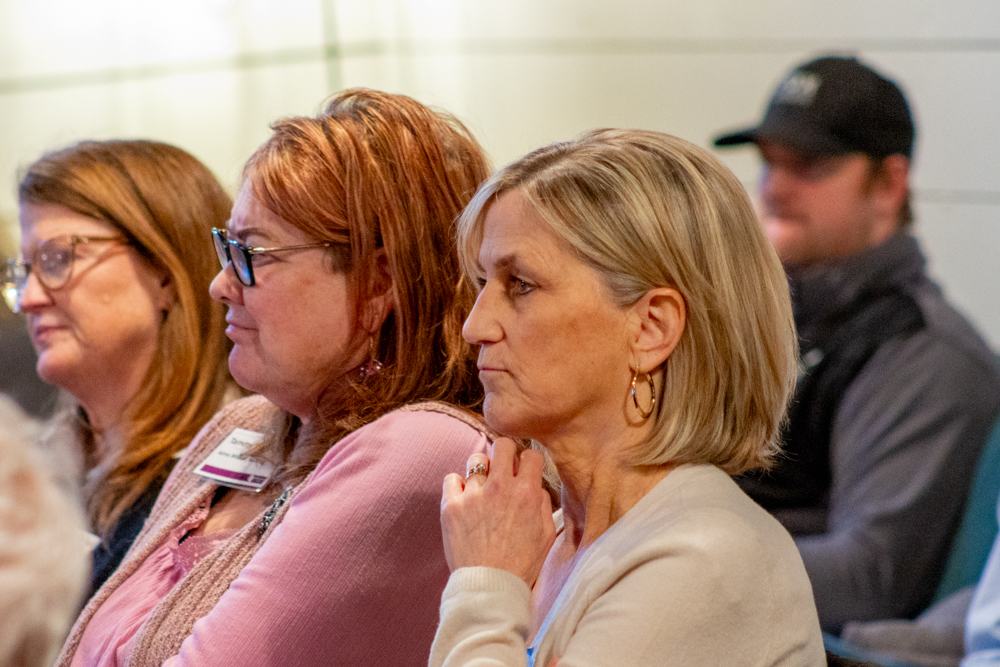
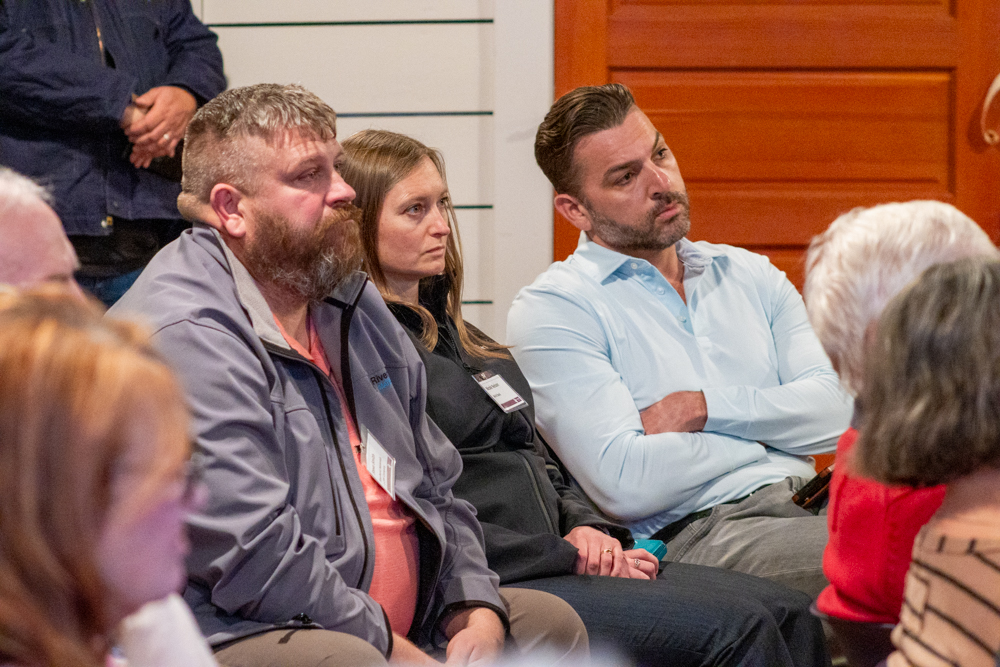
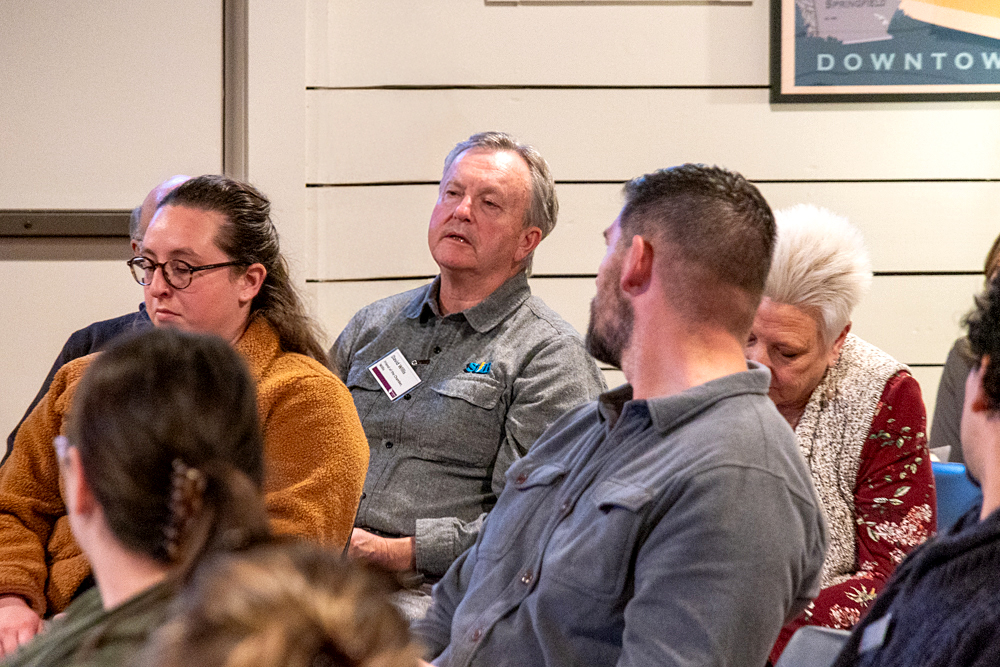
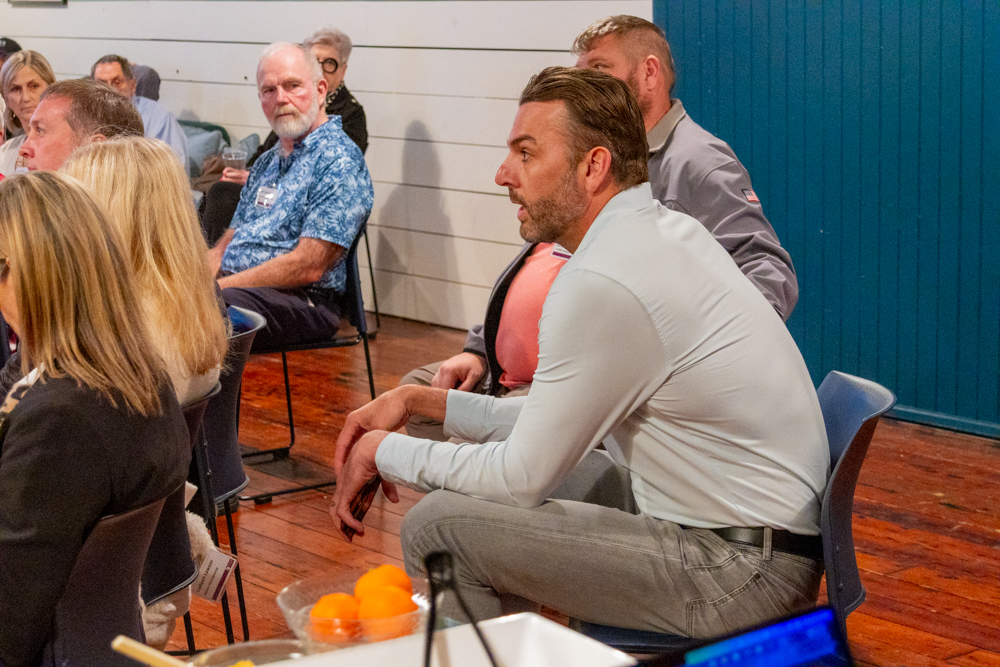
Following JL’s short but extensive overview, the program opened into a Q&A session, where attendees raised questions spanning everything from transportation funding and public employee retirement pressures to workforce challenges in long-term care and the complexities surrounding homelessness and public camping policy. JL emphasized that many of these debates involve competing realities and difficult trade-offs, and he encouraged Chamber members to stay engaged as the short session moves quickly and policy conversations evolve in real time.
A brief tribute
Near the close of the program, JL shared a heartfelt tribute to Rep. John Lively, who was present in the audience, praising not only his experience, but his decency and the personal character he brings to public service. It was a brief moment, but a meaningful one. In a conversation filled with forecasts, proposals, and legislative mechanics, JL’s remarks reminded everyone of something easy to forget: policy is shaped by people, relationships, and a sense of respect that matters.
Thank you to our sponsors and supporters
The Springfield Chamber thanks Travel Lane County, our presenting sponsor, and our Impact Investors for supporting Chamber Roundtable and Roundtable + Tour programs, year-round. Want to stay in the loop on advocacy and policy updates? Keep an eye out for Chamber communications and upcoming Roundtables. The Springfield Chamber will continue bringing updates and timely conversations to the membership as the 2026 session gets underway.
Discover more from Springfield Bottom Line
Subscribe to get the latest posts sent to your email.