Cities of Eugene and Springfield chart independent paths for fire and emergency services
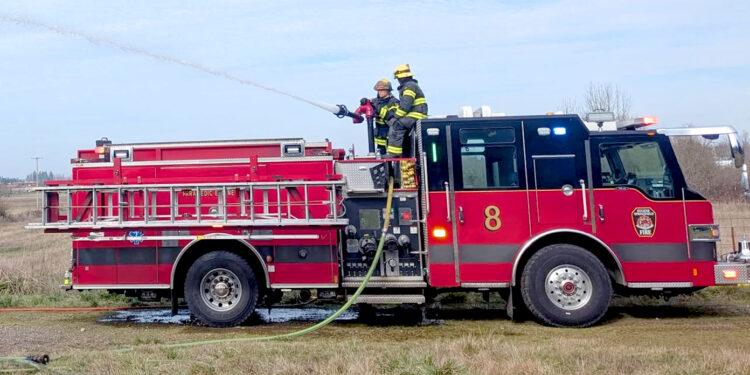
The cities of Eugene and Springfield today announced they will transition Eugene Springfield Fire (ESF) into two independent fire and emergency medical services departments, allowing each city to govern, fund, and plan services in ways that best reflect the specific needs of their communities. Residents in both communities will continue to receive the same high-quality emergency services they count on.
“The shared values that have guided Eugene Springfield Fire remain unchanged,” said Fire Chief Mike Caven. “Our firefighters, paramedics, and emergency responders remain dedicated to protecting our community and will continue serving residents without interruption throughout this process. Our top priority is maintaining services for residents.”
“Eugene and Springfield have benefited from a strong public safety partnership for many years, and we remain deeply appreciative of the firefighters, paramedics, and emergency responders who have served both communities with distinction,” said Eugene City Manager Jenny Haruyama. “As our cities look to the future, this transition creates the opportunity for each community to govern, invest in, and plan fire and emergency services in ways that best reflect local needs and priorities. Throughout this process, residents can expect the same commitment to high-quality emergency response and public safety.”
“Springfield residents should know this clearly: the quality, speed, and dedication of the emergency response you receive is not changing. This transition reflects more than a decade of partnership with Eugene and builds a structure designed specifically for Springfield’s community and future.”
– Nancy Newton, City Manager, City of Springfield
Springfield and Eugene have operated ESF as a functionally consolidated department since 2010. Over the past 16 years, the organization has outgrown its original design. While the partnership delivered strong service outcomes, the two cities face different infrastructure needs, resource constraints, and long-term priorities. Rather than directing public funds toward the start-up costs and administrative overhead of a new governmental entity, transitioning to independent departments allows both cities to invest directly in the firefighters, equipment, and fire stations residents depend on.
What this means for residents:
- This is the first step in a carefully managed transition. Emergency response in both Springfield and Eugene will not be disrupted. The specific details of staffing assignments and operations are part of the transition process still to be determined.
- Firefighters and paramedics will continue serving the community they know and call home.
- Each city will have dedicated governance, budgetary control, and long-term planning capacity for its fire and EMS services.
- Regional cooperation and mutual aid agreements between Springfield, Eugene and neighboring agencies will be maintained.
The transition to independent departments will happen over the next two years. Chief Caven will lead the joint planning effort with staff from both cities, and the plan will go to each City Council for review.
For more information, visit the City of Springfield or Eugene website.
Discover more from Springfield Bottom Line
Subscribe to get the latest posts sent to your email.