First Edition of Springfield Greeters + Small Business Solutions Hub Prepares Attendees for Tax Season
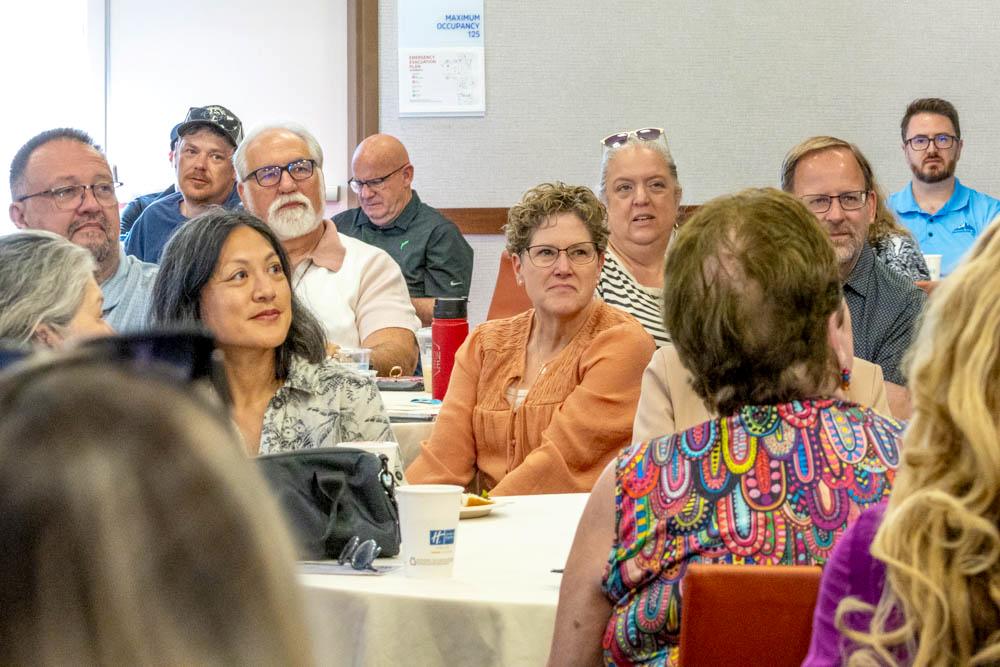
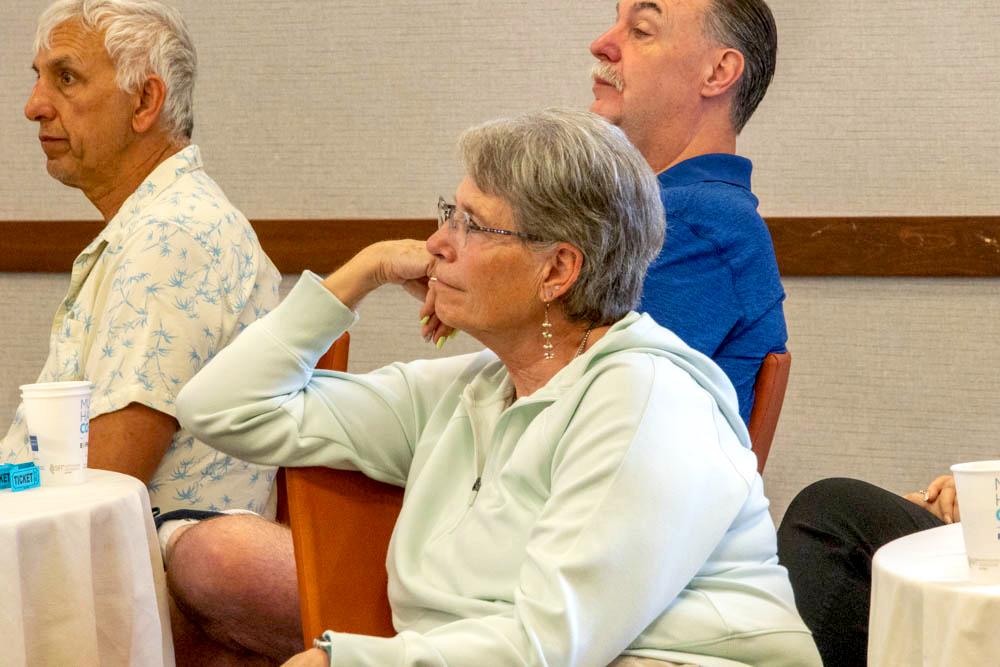
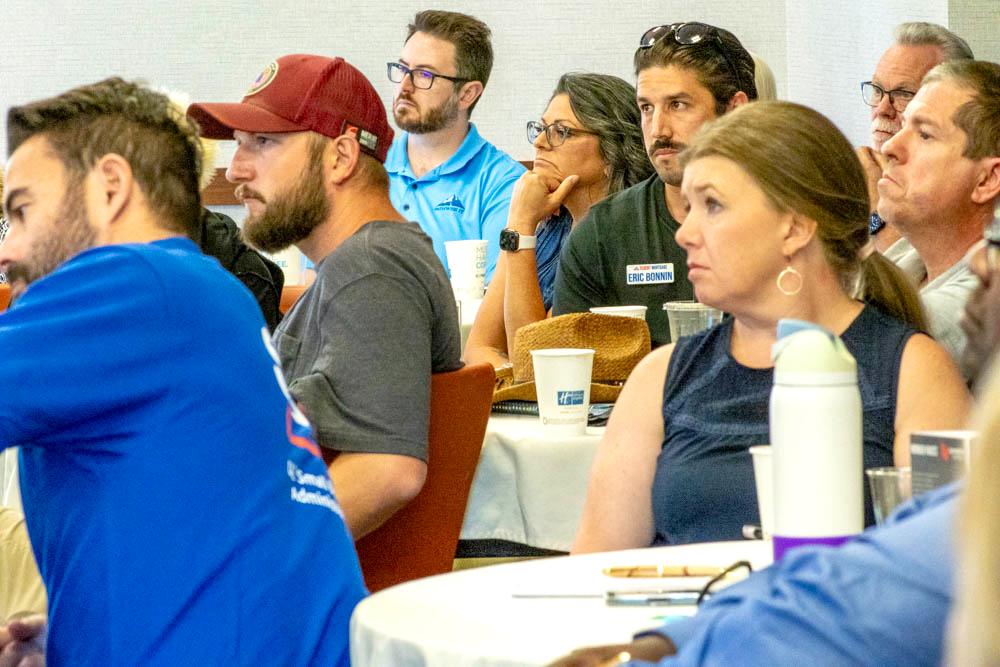
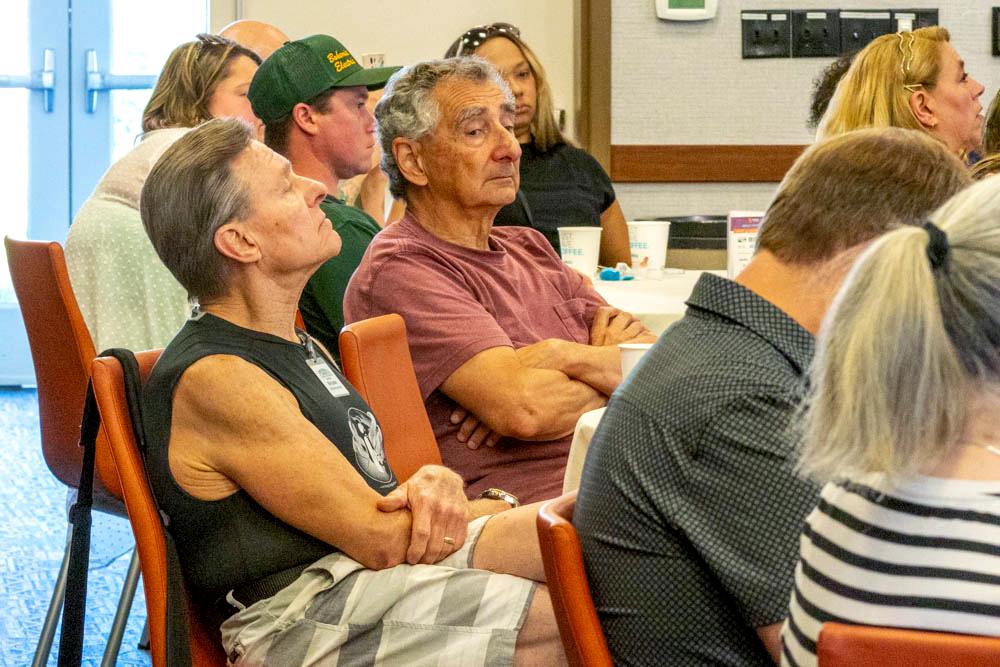
In collaboration with Springfield Greeters, the Springfield Area Chamber of Commerce recently hosted the inaugural partnership edition of Small Business Solutions Hub. By combining key elements from two of the Springfield Chamber’s premier programs, the Springfield Greeters + Small Business Solutions Hub event fostered business connections and conveyed actionable information for members to apply directly to their businesses.
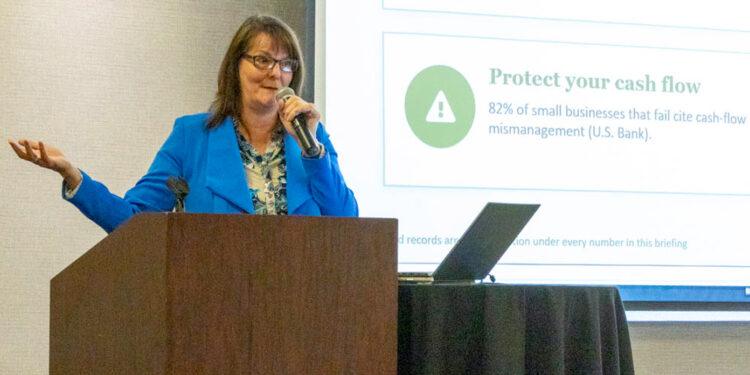
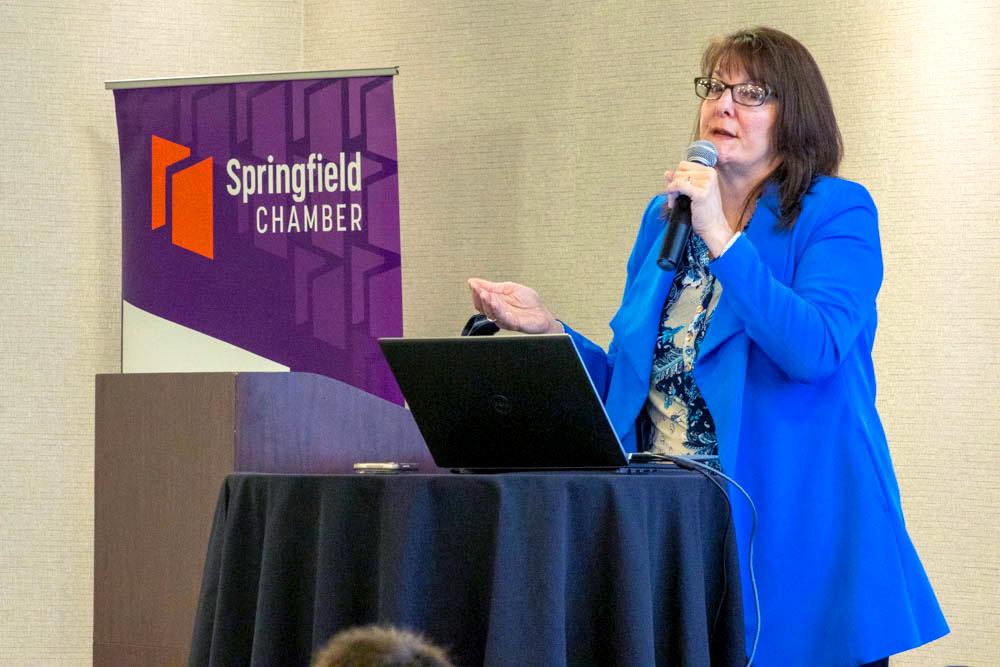
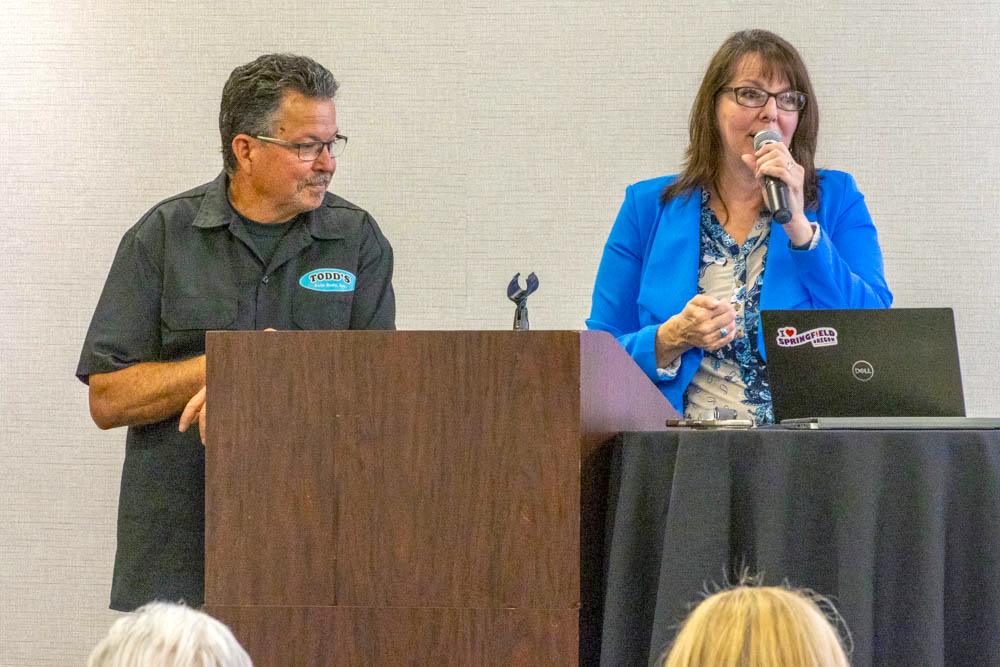
The program, Tax Deductions Every Small Business Owner Should Know, provided attendees with networking opportunities and insights into tax deductions and savings. This unique installment of Small Business Solutions Hub was held at the Holiday Inn Express in Springfield and featured engaging presentations by Michelle Hanks, Client Accounting Services Director at Isler CPA, and Todd Fortier, Owner of Todd’s Auto Body, Inc.
Hiring financial professionals and write-offs
As an auto body shop owner, Todd Fortier shared his perspective on business management and navigating taxes for individuals outside the accounting industry. Through years of expanding his operations and learning from mistakes, Fortier has come to understand the significance of hiring financial professionals and taking advantage of tax write-offs.
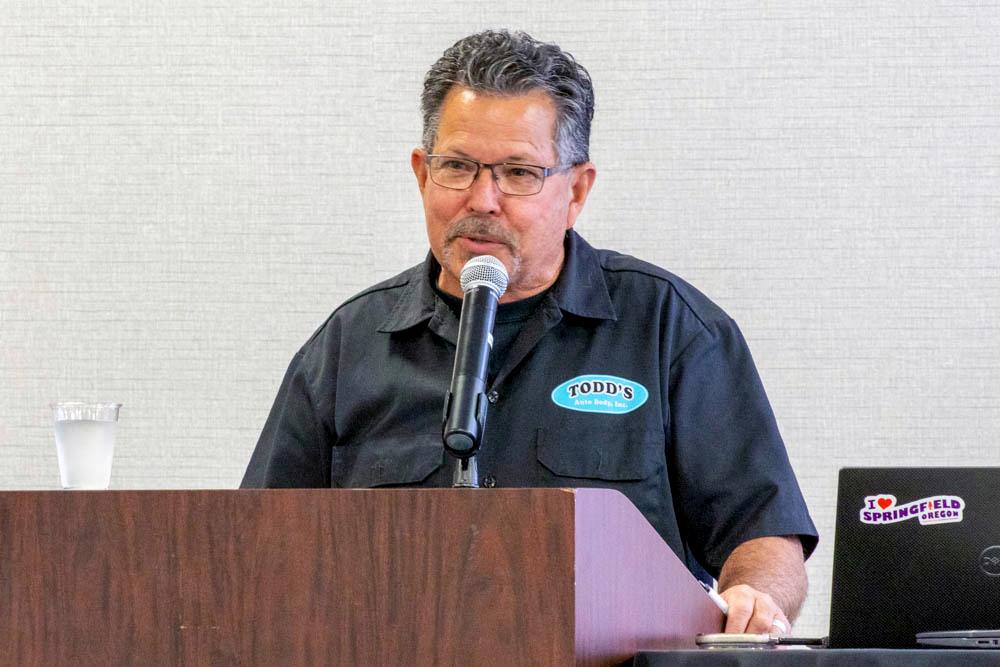
Early in his career, Fortier relied on paper documents filed in shoeboxes to keep track of financial information. This method was no longer sustainable as Fortier’s business grew, so he hired a CPA to improve his business practices. At the accountant’s recommendation, Fortier transitioned to digitally recording finances and hired a bookkeeper. In the long run, by doing so, Fortier was able focus on his shop’s operations without sacrificing quality of his financial records.
In addition, accounting professionals help business owners avoid compliance issues and strategize business decisions. Fostering collaborative relationships with a bookkeeper and a CPA allows businesses to prepare for financial choices and anticipate potential issues.
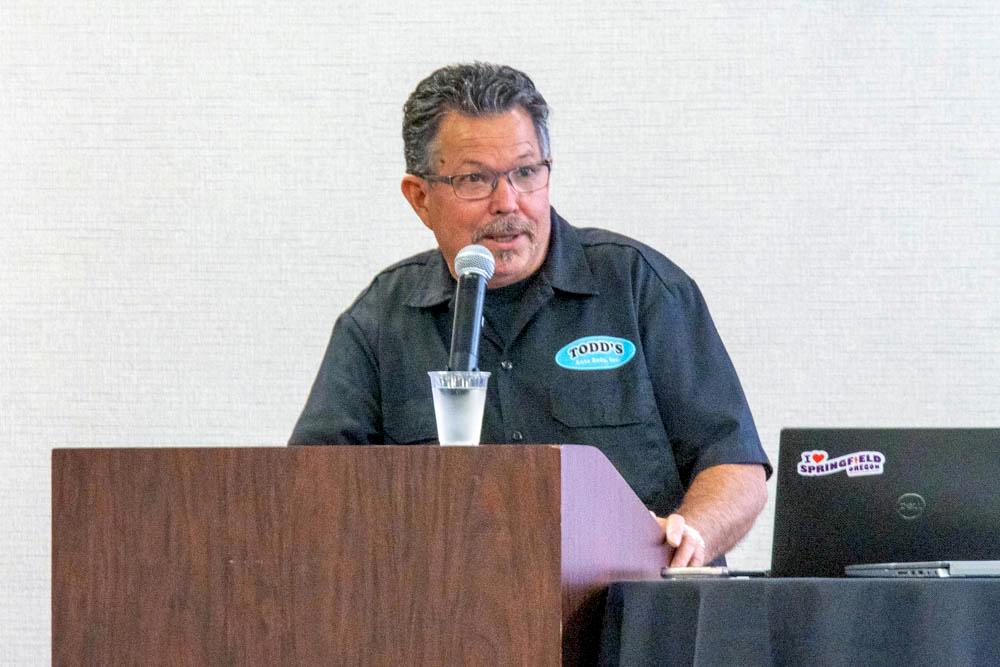
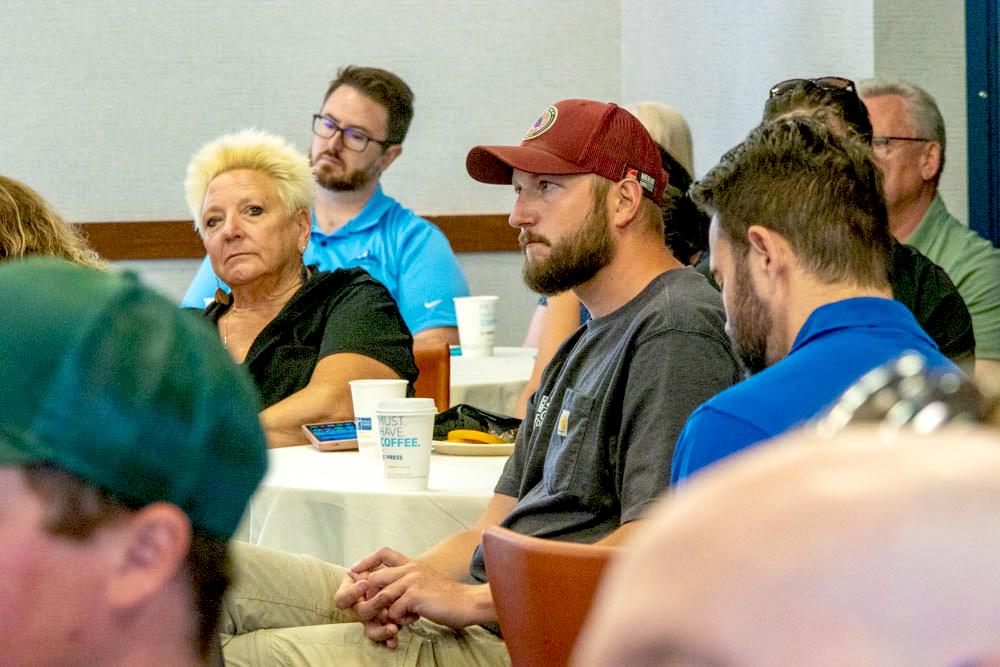
“For 20+ years, I’ve had a professional guide me all the way through it. Today, we are on our fourth building, our seventh piece of commercial real estate… We have 2 shops going, we still have the same bookkeeper, and I still call my CPA when I have an idea.”
– Todd Fortier, Owner, Todd’s Auto Body, Inc.
He also discussed how tax write-offs are key for businesses to save money. As an example, Fortier noted that his shop writes off company cars, highlighting how expenses that are necessary for business operations can be deducted.
Common Tax Deductions
Following Fortier’s presentation, Michelle Hanks provided a breakdown of common tax deductions that businesses can take advantage of to save money. Hanks noted that, for an expense to qualify for a tax deduction, it must be ordinary, documented, provable, and reasonable.
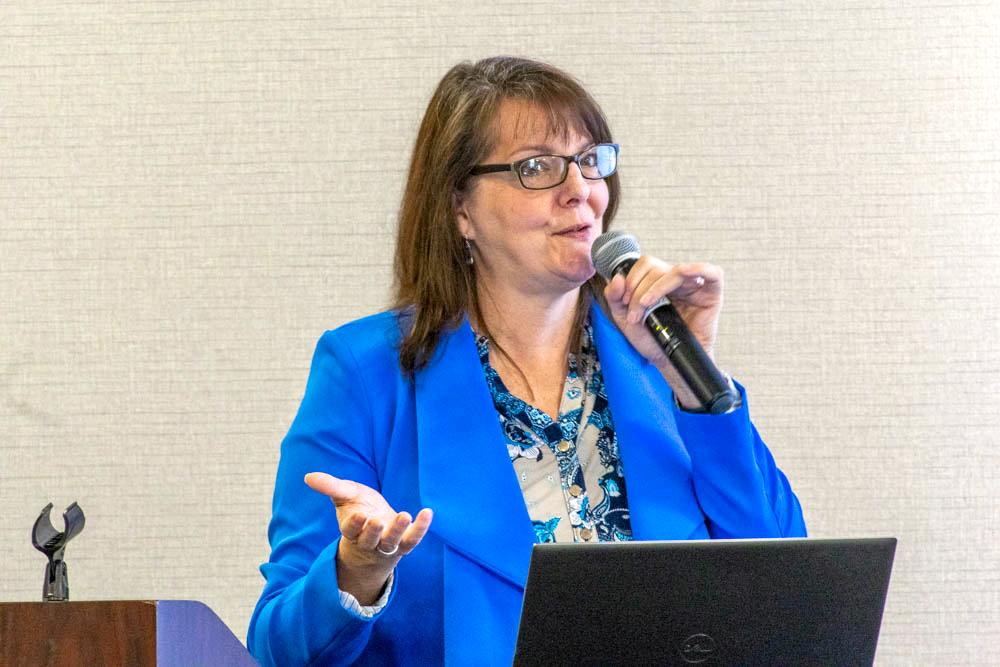
Across her overview of tax deductions, Hanks emphasized the importance of recordkeeping to justify claims and avoid later issues. She provided key examples of tax deductions that require timely documentation, including business meals, vehicle and mileage expenses, and business gifts.
“Capture your mileage, your meals, and your home office costs when they’re happening. Don’t wait until tax time. It’s hard for us all to remember things months or over a year after it’s already happened. It’s so much easier to do it when it’s fresh in your mind.”
– Michelle Hanks, Client Accounting Services Director, Isler CPA
Hanks shared that certain tax deductions are only available to specific businesses, so individuals should explore what options are relevant to them. From the stage of business development to the business structure, different factors shape whether a business is eligible for deductions. Hanks provided a range of potential opportunities businesses can consider, including:
- Startup: Receive up to $50,000 in deductions from startup costs in first year of operations.
- S-corp: Report health insurance premium information on W-2 form for tax deduction.
- Sole proprietorship: Contribute up to 25% of compensation to retirement plan, capped at $72,000, for full tax deduction.
To pursue tax deductions, Hanks advised attendees to consult their accountant early on to ensure they meet eligibility and documentation requirements. For tax deductions like equipment write-offs, she emphasized the value in meeting with a CPA before making purchases to evaluate deduction qualifications.
Hanks also provided examples of tax deductions specific to Oregon and continued to highlight the value of working with an accounting professional. She noted the Oregon CAT and PTE-E taxes as opportunities for deductions:
- Oregon Corporate Activity Tax: Accountants can help separate business activities to pursue deductions.
- Oregon Pass-Through Entity Elective Tax: Individuals can reduce their federal income tax by paying the state tax at an entity level, giving a personal return capped at $40,000.
Conclusion
Both presentations demonstrated the importance of maintaining records and hiring financial professionals to support bookkeeping and business strategy efforts. By staying proactive, business owners can anticipate issues with future decisions and take advantage of tax deductions.
Thank you to the event sponsors!
Small Business Solutions Hub is a free event series offered to members thanks to the generous support of Chamber sponsors and community partners. Thank you to the title sponsor, Kaiser Permanente. Additionally, thank you to the Small Business Solutions Hub partners: Chambers Construction, Eugene Area Radio Stations (EARS), Hershner Hunter LLP, Insights Research Lab, OCCU, Springfield Utility Board, and WaFd Bank.
The full recording, “Small Business Solutions Hub – Tax Deductions Every Small Business Owner Should Know,” will be available shortly in the Chamber’s Small Business Solutions Hub library.
Discover more from Springfield Bottom Line
Subscribe to get the latest posts sent to your email.