Roundtable Discusses H.R. 1 Impacts on the Oregon Health Plan

The Springfield Area Chamber of Commerce brought together employers, healthcare leaders, nonprofits, and community partners for its latest Chamber Roundtable – Care, Coverage & Compliance: Preparing Employers for OHP Changes, a discussion on how recent federal policy changes may impact Oregon’s healthcare landscape.
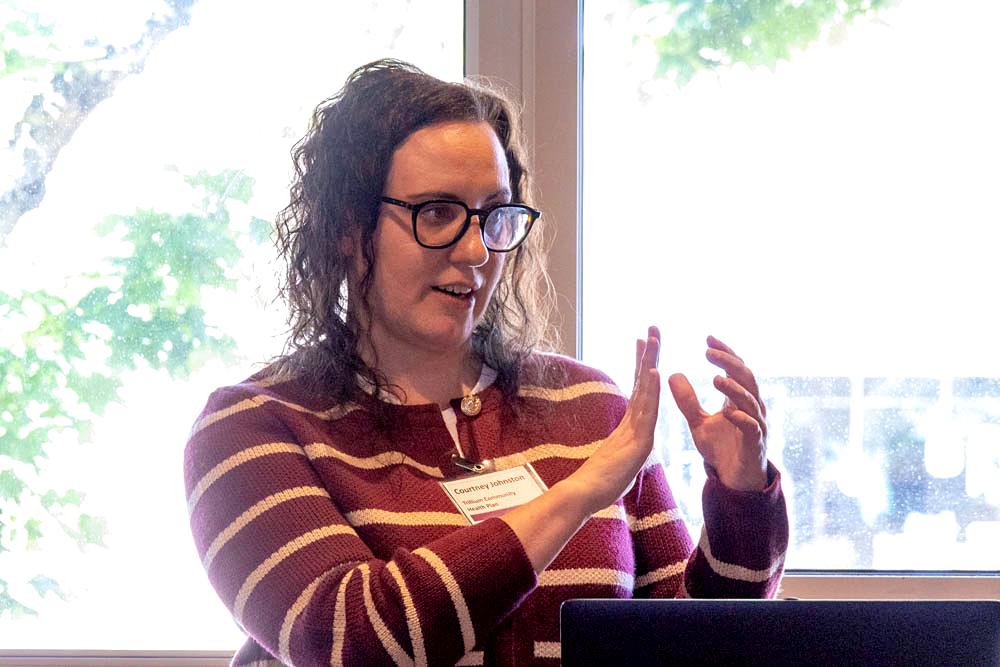
The Chamber’s Senior Director of Advocacy & Economic Development, Paige Walters, opened the program by emphasizing how these Roundtable conversations embody the Chamber’s commitment to fostering thoughtful and practical conversations around issues affecting the regional business community. Walters then introduced the program’s featured speaker, Courtney Johnson, Senior Director of Government Relations and Communications for Trillium Community Health Plan.
Trillium’s growth in the region
Following PacificSource’s decision to exit the local Medicaid market, approximately 90,000 Medicaid members transitioned to Trillium coverage earlier this year, bringing the organization’s local membership to more than 127,000 individuals across Lane County and parts of western Linn County. Johnson provided an overview of Trillium’s expanded role as a Coordinated Care Organization (CCO) in Oregon; she also discussed recent transitions in Lane County’s Medicaid system itself.

H.R. 1 and new requirements
The primary focus of Johnson’s presentation was H.R. 1 and the anticipated changes to Medicaid eligibility beginning in 2027. She explained that this federal legislation introduces new work requirements for many enrolled adults, along with more frequent eligibility verification. Under the proposed changes, many Medicaid recipients ages 19–64 will be required to document at least 80 hours per month of qualifying work, education, volunteer service, or other approved activities in order to maintain coverage.
It was noted several times throughout the presentation that there will most likely be categorical exemptions, that all of the current information is preliminary, and that it’s too early to have granular details on the final framework.
“Many affected individuals are already working – we know that. But [now] we have to show that. Coverage loss often occurs due to paperwork or reporting failures, not necessarily unemployment.”
– Courtney Johnson, Senior Director of Government Relations and Communications, Trillium Community Health Plan
The biggest concern for Trillium, Johnson says, is the increased administrative burden associated with reporting and verification requirements. She noted that coverage losses in similar systems often occur because individuals miss paperwork deadlines, fail to receive notices, or struggle to navigate reporting systems, rather than because they are unemployed.
The discussion also explored the broader implications these changes could have on Oregon’s healthcare system, including increased strain on hospitals, healthcare providers, CCOs, and community nonprofits. Johnson emphasized that Oregon agencies are still awaiting additional federal guidance expected later this year, while simultaneously building the infrastructure necessary to implement the new requirements.
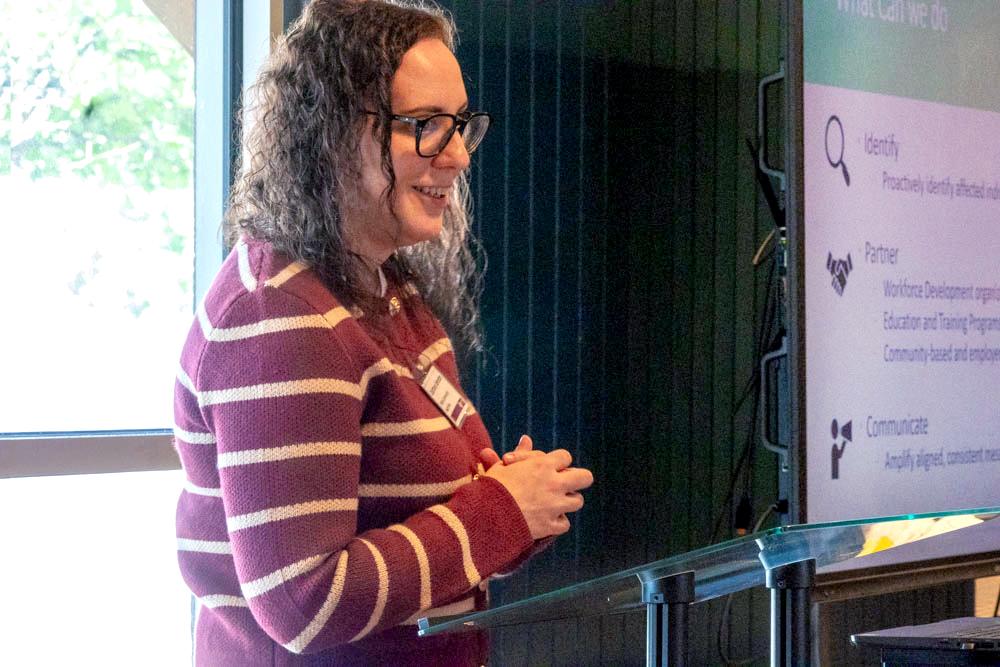
Throughout the conversation, Johnson encouraged collaboration among employers, workforce development organizations, educational institutions, nonprofits, and healthcare providers to help residents successfully navigate the upcoming changes. She highlighted the importance of clear communication, community partnerships, and localized support systems to help individuals maintain healthcare coverage and access essential services.
“What we have in front of us now is time for communities to start building systems and supports so people can maintain the care and coverage they have.”
– Courtney Johnson, Senior Director of Government Relations and Communications, Trillium Community Health Plan
Q&A Highlights
Many themes of discussion
Much of the discussion focused on understanding what H.R. 1 changes and what it doesn’t. Attendees asked questions about Medicaid eligibility, work requirements, and the increased documentation and verification processes that many Oregon Health Plan recipients may face beginning in 2027. Johnson emphasized that many individuals affected by the changes are already working, and that one of the greatest challenges will be helping people successfully navigate the administrative requirements needed to maintain coverage.
Participants also discussed the broader impacts these changes could have on Oregon’s healthcare system, including funding pressures, provider reimbursement, and access to care. Concerns were raised about the financial strain already facing healthcare providers and the negative consequences if reimbursement rates were to decline further. The conversation also explored the role employers, workforce organizations, healthcare providers, and nonprofits can play in helping individuals meet new requirements, access employment opportunities, and stay connected to healthcare coverage.
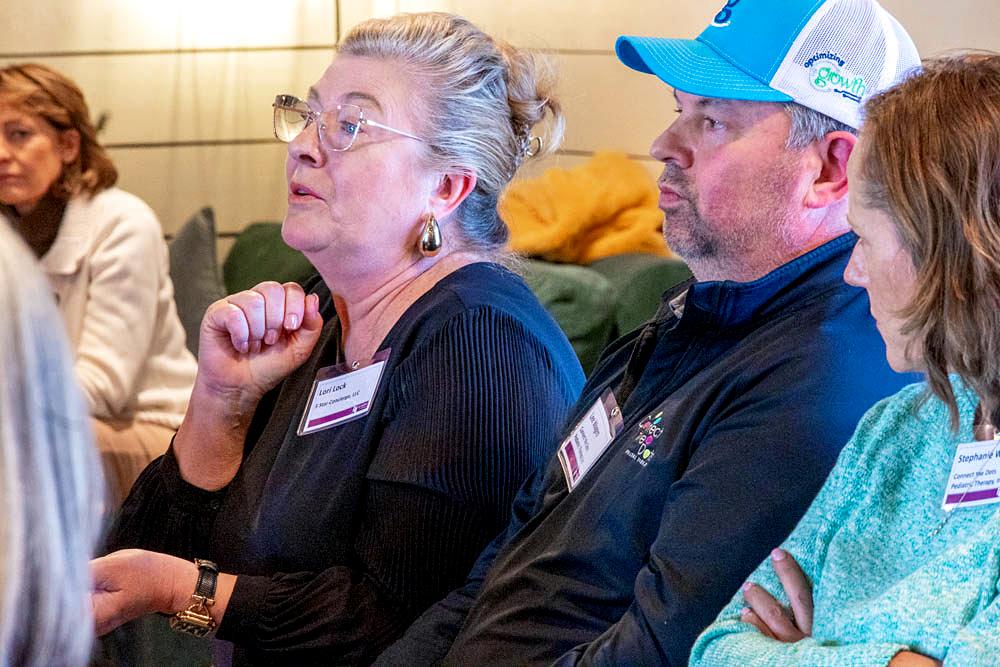
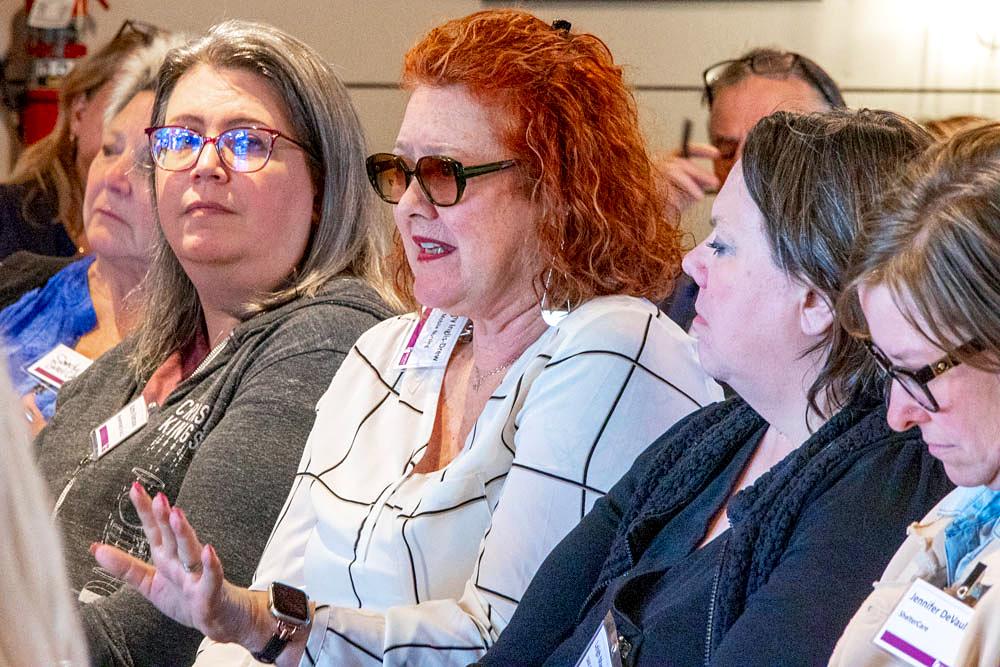
Attendees shared concerns about impacts on families, vulnerable populations, and community-based organizations that may be called upon to provide additional navigation and support services. The discussion highlighted the importance of community partnerships and coordinated communication efforts to help residents understand upcoming changes, complete required paperwork, and avoid losing coverage due to administrative barriers.
What happens next?
Johnson emphasized that many implementation details remain unknown and are dependent on both federal and state action. Additional federal rulemaking and state-level budget and policy recommendations are expected as early as June, with more clarity likely to emerge throughout the summer. As those details become available, the Springfield Chamber will continue monitoring developments and sharing information about what employers, providers, and community organizations need to know as Oregon prepares for these changes.
The Springfield Chamber would like to thank Courtney Johnson of Trillium for her timely presentation, 2026 Chamber Roundtable sponsor Travel Lane County, all the attendees that participated in the conversation, and the Chamber’s Impact Investors, whose generous dollars support Chamber Roundtable and Roundtable + TOUR programs, year-round.
More About the Springfield Chamber’s Business Advocacy Efforts
As a trusted convener and provider of business resources, the Springfield Chamber is committed to fostering policies and incentives that contribute to our competitive position in private sector job creation, retention, and economic growth. The Chamber recognizes the systemic interdependencies of a healthy economy and provides an ear and a voice for local business at the confluence of government, commerce, and community. Through a robust platform of member advocacy services, the Chamber advocates for business by increasing visibility, dialogue, and representation at local, state, and federal policy circles around issues of impact and interest to their members.
Discover more from Springfield Bottom Line
Subscribe to get the latest posts sent to your email.