2026 Candidate Questionnaire- Springfield City Council, Ward 4
The Springfield Area Chamber of Commerce works to strengthen our local economy by serving as a voice for business. Our advocacy work is grounded in principles that support private enterprise, entrepreneurship, and long-term economic competitiveness. From tax policies that support growth to clear, predictable regulations, infrastructure investment, workforce readiness, development-ready land and efficient permitting, elected leaders have meaningful influence over the conditions in which local employers operate, invest, and grow.
To help our members make informed decisions in the 2026 General Election, the Chamber invited candidates for the Springfield City Council Ward 4 seat to respond to five questions focused on business, economic development, and the policy issues that affect Springfield’s economy. Each candidate received the same questions and response guidelines, and their answers are published as submitted.
Oregon’s General Election is Tuesday, November 3. Ballots begin mailing October 14 and must be returned to a drop box by 8:00 p.m. on November 3 or, if mailed, postmarked by Election Day.
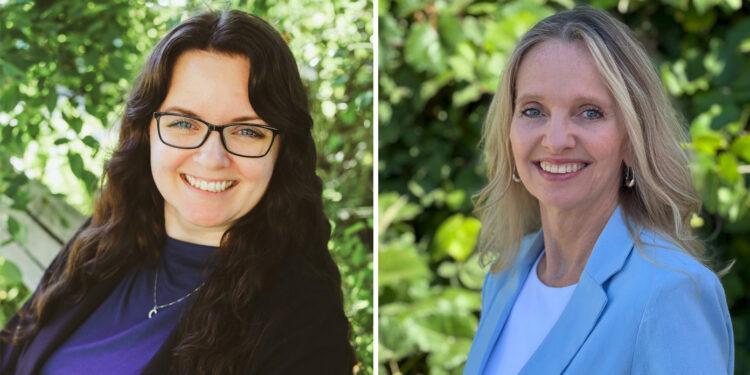
Callee Ackland

Campaign Website: https://calleeackland.com/
Candidate Bio: Callee Ackland is running for Springfield City Council to fight for better homes, better roads, and a brighter future. After serving in the US Navy, opening and selling a houseplant store, and moving back home to Oregon, she has been deeply involved in our community – serving on the Springfield Planning Commission and the Lane County Community Health Improvement Coalition, helping at the Springfield Library, and working at the Springfield-Eugene Tenant Association. If elected, Callee will bring much-needed perspective as the only renter, the only veteran, and the youngest person serving on city council.
1. Local Economy: A strong local economy supports jobs, public services, infrastructure, and quality of life. What do you believe are the greatest opportunities and barriers to economic growth in Springfield today? If elected, what two or three actions would you prioritize to strengthen Springfield’s business climate, support existing employers, and encourage new private investment?
A strong local economy is in a symbiotic relationship with public services and infrastructure: if businesses are going to invest in us, we need to be ready to invest in Springfield. Companies invest here when they see that we’ve invested in our community by building a healthy, educated workforce, and the housing & infrastructure needed to support those working families. That’s why I’m prioritizing not just building more affordable housing, but also preserving our existing housing stock and strengthening our infrastructure to serve a larger workforce and be prepared for tomorrow’s challenges.
With two hospitals and a host of supporting medical offices already located in Springfield, I think we have an opportunity to prioritize the growth of the healthcare industry and become a regional leader that sees patients from the Medford area and the coast come here (and fill our hotels) instead of Portland.
2. Permitting, regulation, and customer service: Businesses consistently identify predictability, timeliness, and clarity in permitting and regulatory processes as important factors in decisions to invest and expand. What role should City Council play in ensuring Springfield’s development and regulatory processes are efficient, transparent and responsive to employers, and how would you determine whether those systems are working well?
Much of the red-tape businesses deal with comes from Salem, not Springfield. I was surprised to learn that it was only in the past several years that the city began to devote staff time to keeping abreast of the state-level developments that affect our city. These efforts have to be expanded: if we want to push back on unfunded mandates, then we need to know what is happening, and we need to pool our lobbying efforts with local partners to give them a bigger bite.
As for city-level regulation, a fully-staffed government is the most cost-efficient way to ensure Springfield’s regulatory processes are transparent and responsive. We’re a blue-collar town that prides itself on our thrift and the steely-eyed tightness of our budgets. But there comes a critical moment where there are simply too few government employees responding to business needs.
3. Fiscal stability, taxes and the cost of doing business: Springfield faces long-term fiscal pressures while businesses and residents are also navigating rising costs. What principles should guide City decisions about taxes, fees, spending and other revenue options as Springfield works to fund essential services while maintaining a competitive cost of doing business?
Springfield is trapped in a funding quagmire thirty years in the making. Measures 5 and 50 may have been implemented with the laudable goal of saving retirees from being priced out of their homes by rising property taxes, but three decades later every city in Oregon is struggling to meet basic needs. Runaway inflation means that the the city’s property tax covers less and less of the budget each year, and if businesses don’t want to be nickel-and-dimed to death with payroll taxes and usage fees, then they need to help the city make it clear to Salem that the old way isn’t working anymore.
4. Land, infrastructure and private investment: Springfield’s ability to grow depends in part on having sites, transportation, utilities, and other infrastructure capable of supporting new and expanding employers. What do you see as Springfield’s most significant land or infrastructure barriers to business growth and private investment today, and how should the City prioritize which of those barriers to address?
There’s a reason that the city prioritised work on 42nd Street: well-maintained thoroughfares are essential for the operation of businesses. But the city defers $10 million worth of street maintenance annually, and our crumbling roads affect both our industry and our workforce. When it comes to our streets, we need to commit to a path of spending money to save money. If we doubled Public Work’s road maintenance fund from $3 million to $6 million, we could reduce that deferred maintenance to zero, saving money and avoiding even more costly interventions in the future.
The city also needs to adopt an updated development plan that is flexible enough to meet our city’s changing needs. Right now, Springfield’s largest employer, PeaceHealth, is trying to expand its operations with several hundred more jobs, but their efforts have been stymied by an out-of-date development plan. That is the opposite of how we should be treating employers.
5. Springfield’s business climate: Where do you believe Springfield is doing well as a place to do business, where is the greatest opportunity for improvement, and how would you stay informed about the experiences of local employers as you make policy decisions?
I think Springfield’s business climate is running into strong headwinds. We are downstream of state- and national-level developments which will be reverberating through our local economy for decades; trade wars and higher gas prices aren’t good for business, and frankly they’re out of the city council’s hands. But we can work to build a Springfield that is more robust and more resilient, and that takes care of its own, both its residents and its businesses. I think SEDA is a great example of what the city can do when it works with business partners: it’s the perfect forum to listen to our local business partners, then implement policies that ameliorate the expenses of business expansion. By working together, we can ensure that our local economy and our local tax base grow together.
Jill Cuadros
Campaign Website: https://jillcuadros.com/
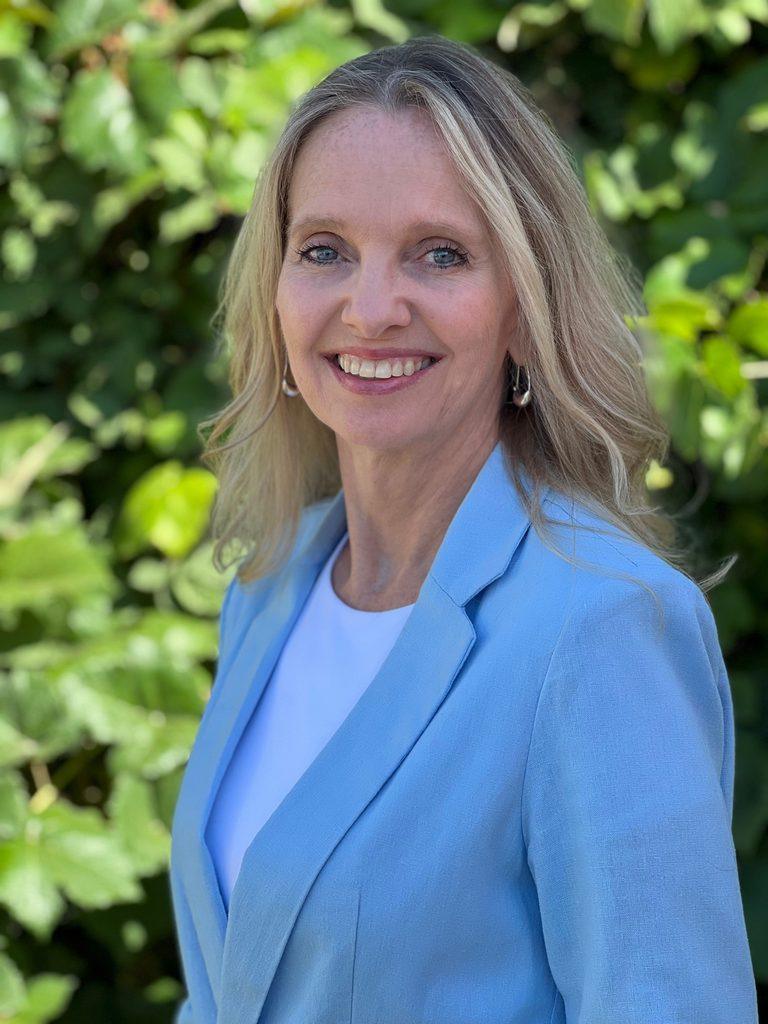
Candidate Biography: Springfield became my home nearly 40 years ago after an injury changed my college plans. I built my life here from the ground up, married here, and raised four children here.
As Support Services Director for Eugene School District 4J, I manage complex operations, budgets, and partnerships in support of students and classrooms.
I also serve on Springfield City Council, bringing that same commitment to responsible decision-making, collaboration, and public service.
I believe Springfield succeeds when we strengthen our partnerships, support local businesses, invest responsibly, and protect the hometown character that makes our community special.
1. Local Economy: A strong local economy supports jobs, public services, infrastructure, and quality of life. What do you believe are the greatest opportunities and barriers to economic growth in Springfield today? If elected, what two or three actions would you prioritize to strengthen Springfield’s business climate, support existing employers, and encourage new private investment?
Springfield’s greatest economic opportunity is building on the businesses already here while welcoming new investment that creates jobs and strengthens our community.
Rising operating costs and the challenges of coordinating growth across multiple organizations can discourage investment.
I would prioritize three actions.
First, support the retention and expansion of existing employers. Their success is foundational to Springfield’s economy.
Second, encourage investment in our commercial areas, bringing new businesses into available spaces and supporting redevelopment opportunities.
Third, strengthen Team Springfield, bringing together the City, Springfield Utility Board, Springfield Public Schools, Willamalane, and partners like the Chamber to identify opportunities and coordinate efforts.
I believe government should be an active partner in economic development, creating conditions where businesses can succeed. That includes considering financial incentives when appropriate, evaluating opportunities individually, and ensuring public investments deliver meaningful benefits to Springfield.—
2. Permitting, regulation, and customer service: Businesses consistently identify predictability, timeliness, and clarity in permitting and regulatory processes as important factors in decisions to invest and expand. What role should City Council play in ensuring Springfield’s development and regulatory processes are efficient, transparent and responsive to employers, and how would you determine whether those systems are working well?
City Council is responsible for setting policy, establishing expectations, and holding our permitting and regulatory systems accountable. The Chamber, local businesses, developers, and construction trades have made it clear that Springfield needs an overhaul. Larger projects, in particular, report slower and more complicated processes.
When someone walks into City Hall, our customer service philosophy should be “How do we get to yes?” That means finding solutions, providing clear requirements, improving coordination, and eliminating unnecessary barriers without compromising public safety.
Council should establish measurable performance standards, regularly review and publish permitting timelines, and seek direct feedback from applicants to determine whether improvements are working.
Through my legislative committee work, I am also advocating for greater flexibility at the state level, allowing communities like Springfield more local control over regulations and processes that reflect our specific needs and priorities.
3. Fiscal stability, taxes and the cost of doing business: Springfield faces long-term fiscal pressures while businesses and residents are also navigating rising costs. What principles should guide City decisions about taxes, fees, spending and other revenue options as Springfield works to fund essential services while maintaining a competitive cost of doing business?
Springfield’s financial challenges require honest conversations about what services cost, what our revenues can sustain, and how decisions affect residents and businesses.
I use our adopted Council goals to guide spending priorities, including public safety, infrastructure, and financially responsible government services.
Any proposed tax or fee should come with a clear explanation of what it funds, who bears the cost, and how it affects our long-term financial stability. We must understand the consequences of both additional revenue and reduced services.
The Mayor’s Fiscal Stability Task Force brought business and community perspectives into these difficult discussions. As Mayor VanGordon transitions out, I want this work to continue. We should evaluate its recommendations, maintain the relationships established, and keep those voices involved in developing long-term solutions.
Fiscal stability requires transparency, community & business participation, and decisions that look beyond the next budget cycle.
4. Land, infrastructure and private investment: Springfield’s ability to grow depends in part on having sites, transportation, utilities, and other infrastructure capable of supporting new and expanding employers. What do you see as Springfield’s most significant land or infrastructure barriers to business growth and private investment today, and how should the City prioritize which of those barriers to address?
Having land available for development means little if the infrastructure necessary to support that development isn’t available or affordable.
Roads, utilities, transportation access, and development costs all influence whether an employer can establish or expand operations in Springfield.
I believe infrastructure investments should be evaluated against demonstrated needs, economic opportunities, long-term costs, and our adopted Council goals.
This is also where strengthening Team Springfield becomes particularly important.
The City and Springfield Utility Board have distinct responsibilities, but their decisions can significantly affect one another.
Early communication and coordinated planning can help us anticipate infrastructure demands rather than react to them.
We should work collaboratively with developers, businesses, and utility partners to identify infrastructure needs and develop fair, predictable cost-sharing arrangements that encourage private investment, support economic growth, and protect existing ratepayers from unreasonable costs
Our goal should be responsible growth that creates opportunity while protecting the investments our community has already made.
5. Springfield’s business climate: Where do you believe Springfield is doing well as a place to do business, where is the greatest opportunity for improvement, and how would you stay informed about the experiences of local employers as you make policy decisions?
Springfield deserves credit for the progress we’ve made in economic development, and supporting investment in our community.
We have seen meaningful reinvestment downtown, support for established employers, and improvements that make Springfield more attractive to private investment.
Our greatest opportunity is strengthening our relationships with the businesses already here.
I don’t believe government’s relationship with a business should end when the permit is issued or the ribbon is cut.
I want to hear directly from employers about what is working, what isn’t, and what the City can reasonably do better.
That includes visiting businesses, engaging with the Chamber, and listening to employers throughout Springfield.
Good policy requires more than reports and statistics. It requires understanding the experiences of the people making investments, providing jobs, and contributing to our community every day.
Discover more from Springfield Bottom Line
Subscribe to get the latest posts sent to your email.