Rise & Shine Chooses Employee Ownership for Its Next Chapter
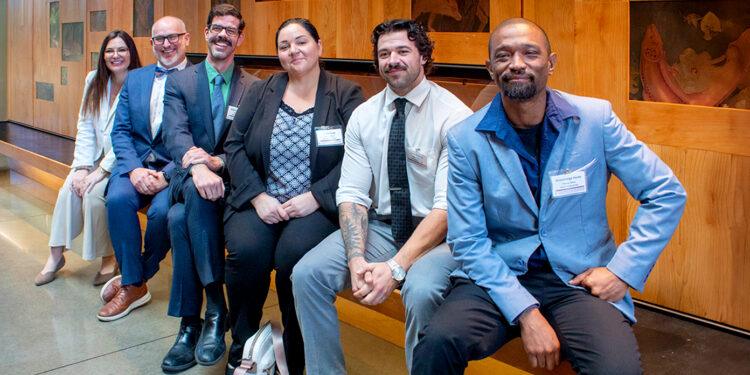
When Springfield entrepreneur Cindy Koza received an unexpected call from a private equity firm about a year and a half ago, selling Rise & Shine wasn’t something she had been considering.
Founded in 2020, Rise & Shine Social Enterprise provides caregiving services to adults with intellectual and developmental disabilities throughout Lane County. The Springfield-based company offers residential care through 24/7 group homes, supported living, and in-home hourly care, along with a robust daily activity program – all built around a mission of helping the people it serves live fulfilling, connected lives.
That unexpected phone call set Koza on a path that would ultimately reshape the future of the company she had built. Last week, Rise & Shine officially became an employee-owned company, giving the approximately 250 people who have helped build the Springfield caregiving agency an opportunity to share in the value they are creating.
The decision marks a significant new chapter for a company Koza founded with social impact at the center of its mission and reflects her determination that its impact continue long after her own tenure.
Choosing a Different Path
The private equity firm that approached Koza is based more than 2,000 miles away, in Michigan. Koza said she was told that, if acquired, Rise & Shine could be combined with other caregiving agencies, with an emphasis on keeping wages and other costs low to maximize profitability before the business was eventually sold again – likely to another private equity firm.
As Koza considered what that could mean for the company, she became concerned about the potential impact on employees and, ultimately, the people in their care.
“This did not sit well with me because I care about the legacy of this company, the clients we serve, and the employees who helped build it.”
– Cindy Koza, Owner, Rise & Shine Social Enterprise
The offer did, however, prompt Koza to consider something she hadn’t spent much time thinking about before: how to build a future for Rise & Shine that would extend beyond her own ownership. Her research into succession options eventually introduced her to Employee Stock Ownership Plans (ESOPs), a model that allows employees to acquire ownership in the company where they work. For Koza, the idea fit remarkably well with the reason Rise & Shine existed in the first place.


Expanding the Impact
Rise & Shine’s beginnings were deeply personal. Years ago, Koza left her job to care for a person who was homeless and severely disabled. She and her husband brought him into their home and cared for him, eventually becoming licensed as an adult foster care home.
The day they received that license, Koza recalls, the licensor asked whether they could accept another emergency placement. They said yes. “We’ve been getting referrals every week since then,” Koza said. “There is such a high need in Lane County.” That experience eventually grew into Rise & Shine, founded in 2020 around what Koza describes as a commitment to social impact through caring for people with developmental disabilities.
Despite being only six years old, Rise & Shine has a significant number of employees who have been with the organization for more than three years – longevity Koza says is particularly meaningful in the caregiving industry and has provided important stability as the company has grown.
Now those employees can have a financial stake in what they have helped create.
“This company would not be what it is today without the caregivers and staff who have made it what it is. They are the heart of the company who show up every day and bring the mission to life.”
– Cindy Koza, Owner, Rise & Shine Social Enterprise
From Employees to Owners
Under Rise & Shine’s ESOP, employees age 18 or older who have worked at least 1,000 hours are eligible to participate. Koza expects employee ownership to create long-term financial opportunities for workers while also strengthening the company itself.
She believes that shared stake can encourage retention while creating stronger teamwork, trust, efficiency, and employee satisfaction, with benefits that ultimately extend to Rise & Shine’s clients and their families. “When Rise & Shine succeeds, that success is shared with the people who are helping build it every day,” she said.

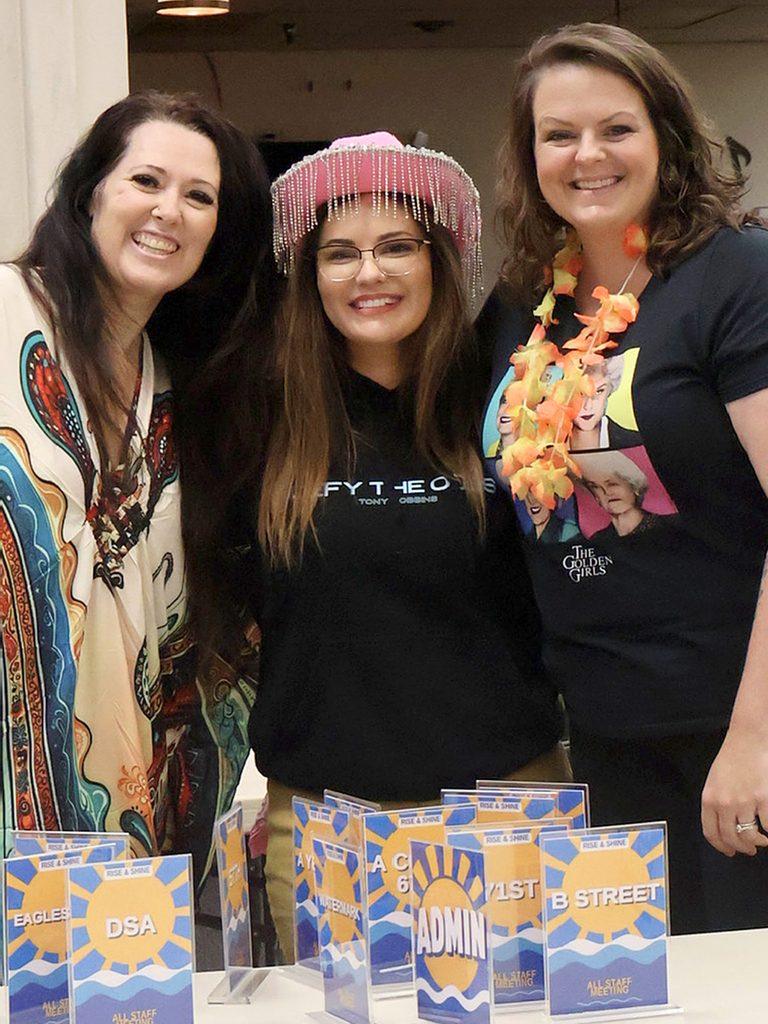

When Koza announced the transition to employees, the response offered an early indication of what the change meant to them. “There were definitely lots of smiles, clapping, and some tears,” she said. “I think they were shocked and excited. I think it’s still sinking in for some of them.”
Koza will remain CEO and says the transition has left her more energized about the company’s future, not less. “I love guiding the ship, but becoming employee-owned has given that role an entirely new meaning,” she said. “It’s given me an even greater sense of responsibility and purpose.”
Rethinking Business Ownership
Koza is no stranger to entrepreneurship in Springfield. In addition to Rise & Shine, she founded Made By You, Springfield’s first walk-in paint-your-own pottery studio, as well as Aspire Mental Wellness, a mental health clinic serving adults with developmental disabilities. She is also working toward opening a new wellness center in Springfield in 2027.
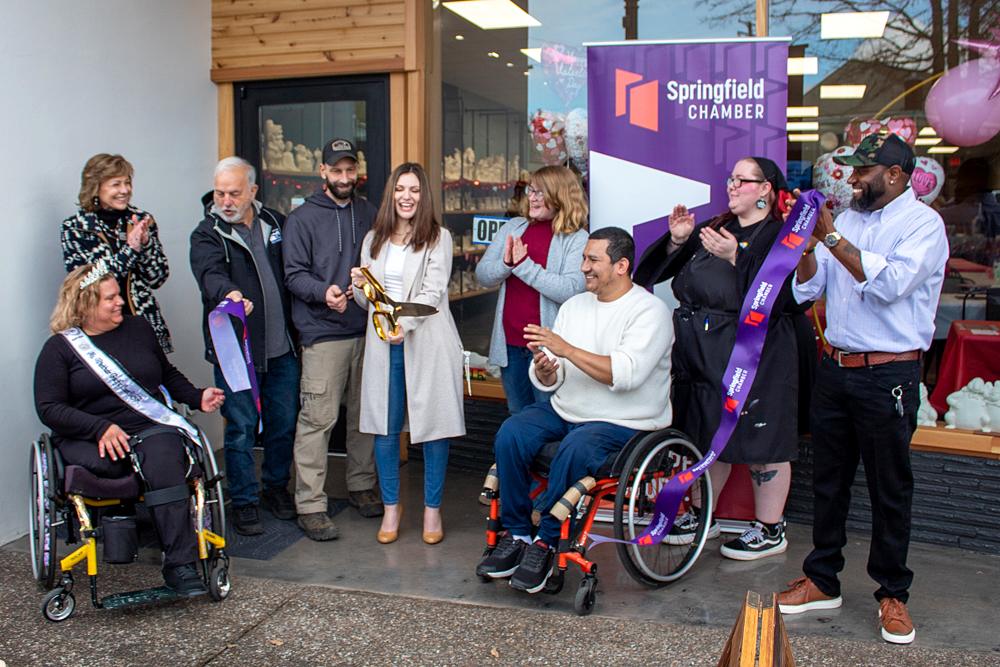
The transition at Rise & Shine has changed the way she thinks about what entrepreneurship itself can accomplish. Koza says building the company helped her break generational poverty and change the trajectory of her own family. Employee ownership created an opportunity to extend that possibility to others.
“Becoming employee-owned made me realize that opportunity doesn’t have to stop with me,” she said. “Now I have the chance to help create wealth and opportunity for the employees who helped build this company and potentially change the trajectory of their families, too.”
She hopes Rise & Shine’s example will also encourage other business owners to think differently about succession. Oregon continues to lag many states in employee-owned businesses in part, Koza believes, because owners simply aren’t familiar enough with the option. Before beginning the process herself, she said, she didn’t fully understand what employee ownership could make possible.
Her message to other entrepreneurs is that selling to an outside buyer isn’t the only path; and employee ownership doesn’t necessarily require founders to sacrifice their own financial interests in the process. For Springfield’s business community, that conversation has implications beyond any single company. Succession decisions can shape whether businesses, jobs, institutional knowledge and economic opportunity remain rooted in a community for another generation.
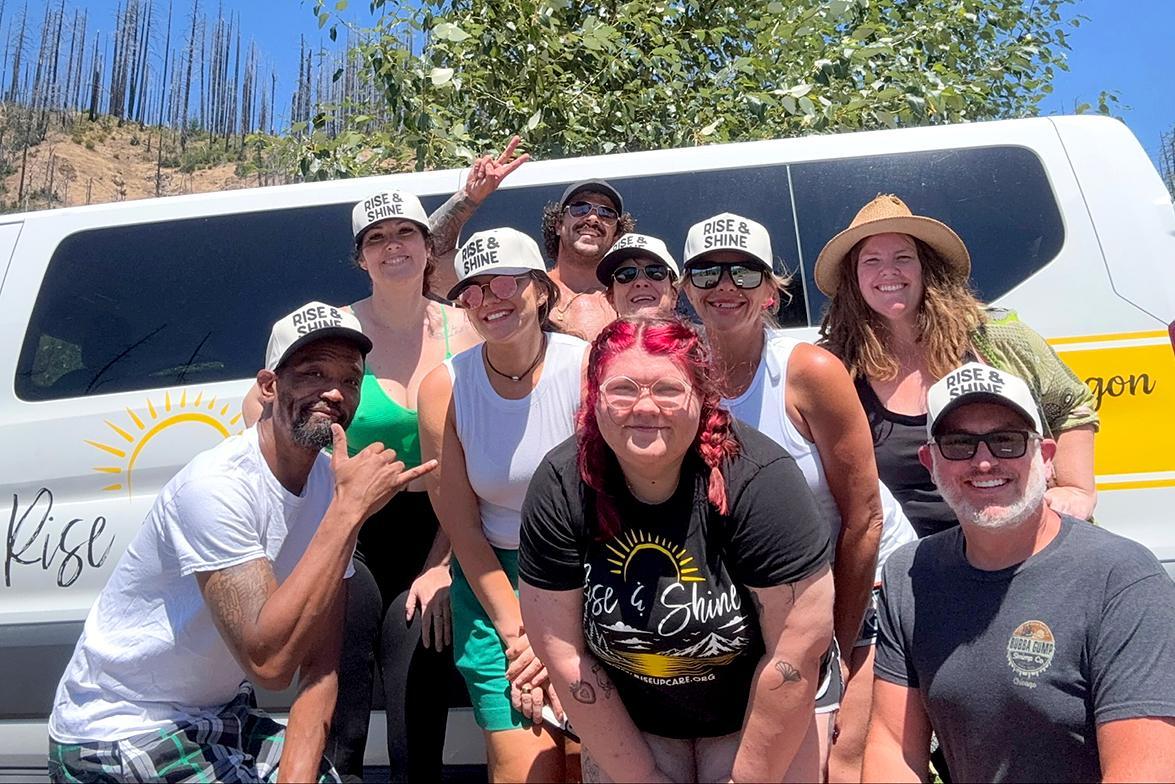
At Rise & Shine, Koza has made her choice: “I built Rise & Shine to change the life of one person; now it’s changing many. For me, legacy is not about what I get to take away – it’s about what I get to leave behind.”
Her ambition now is for Rise & Shine to become a gold standard for both business and care in Oregon, and an example of what can happen when the people who create a company’s value are given the opportunity to share in it. “I don’t just want to grow a successful company,” Koza said. “I want to be a great steward of something that belongs to all of us and build something that will continue creating opportunities long after me.”
Thank you to Rise & Shine Social Enterprise for additional photography for this story.
Discover more from Springfield Bottom Line
Subscribe to get the latest posts sent to your email.